

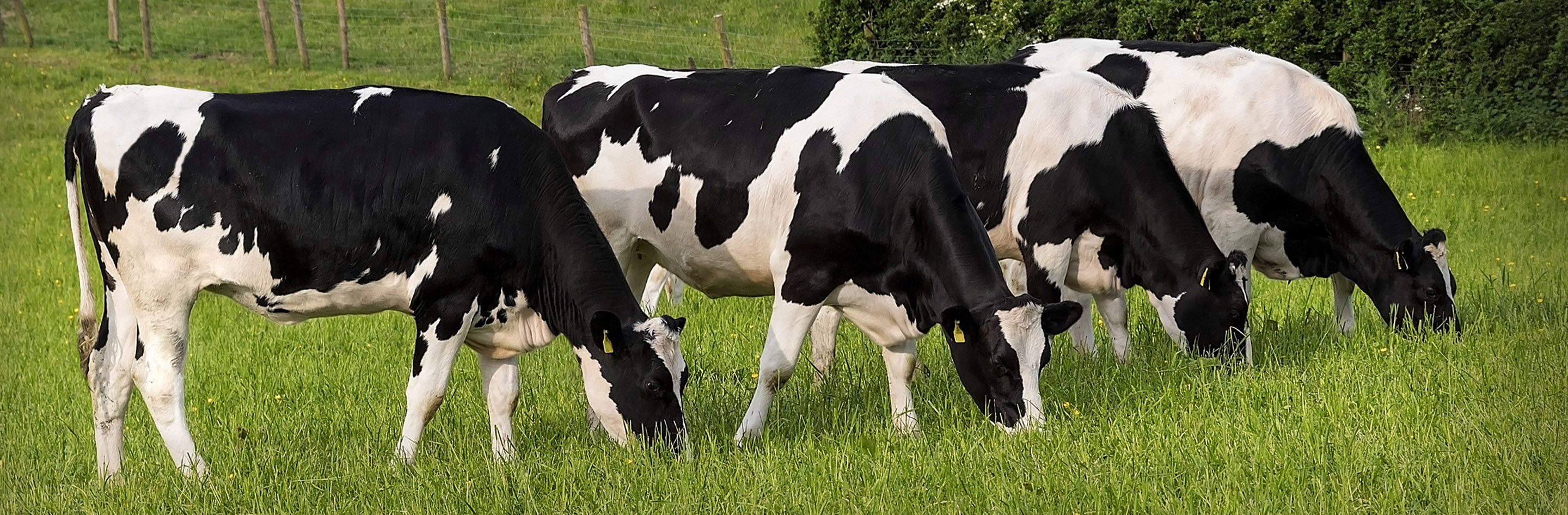
Grassland weeds are more than just unsightly intruders in our pastures. They pose significant challenges to farmers, particularly those in the dairy industry. This article explores the many impacts of grassland weeds on forage quality and, consequently, milk production. Understanding these effects is crucial for maintaining profitable and sustainable dairy operations.
Reduced protein content
Many common grassland weeds have lower protein content compared to cultivated forage grasses. This reduction in protein can lead to decreased milk production, as dairy cows require high-protein diets to maintain optimal milk yields.
Imbalanced mineral composition
Weeds often have different mineral profiles compared to desirable forage species. This can lead to imbalances in the overall mineral composition of the forage, potentially affecting cow health and milk quality.
Decreased forage palatability
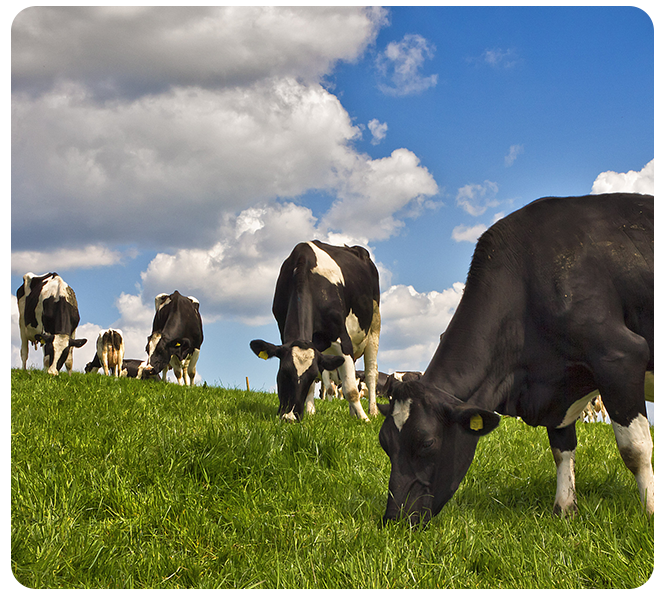
Some weed species have bitter tastes or tough, fibrous textures that cows find unpalatable. When these weeds infiltrate pastures, cows may selectively graze, leaving behind less desirable plants and reducing overall forage intake.
Altered grazing behaviour
The presence of unpalatable weeds can change grazing patterns, leading to overgrazing of preferred areas and underutilisation of weed-infested patches. This uneven grazing can further exacerbate weed problems and reduce overall pasture productivity.
Competition for resources
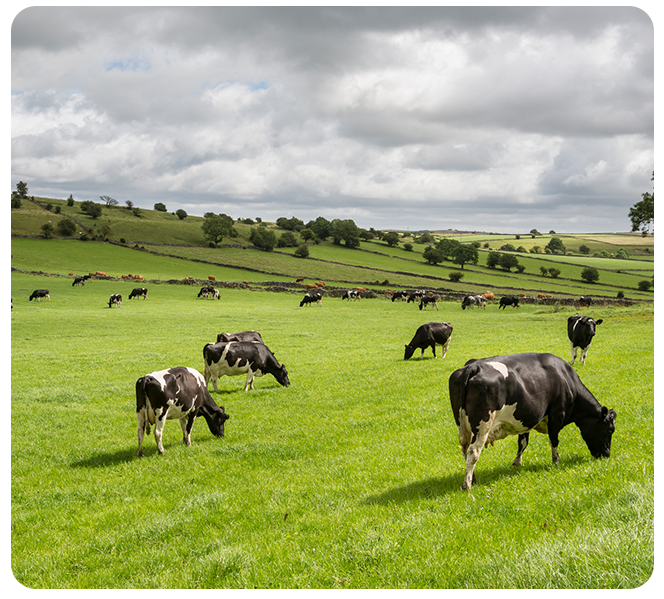
Weeds compete aggressively with desirable forage species for water, nutrients, and sunlight. This competition can significantly reduce the yield of high-quality forage grasses and legumes, leading to lower overall forage production per pasture.
Decreased stand density
As weeds proliferate, they can crowd out desirable forage species, reducing the density of nutritious plants available for grazing. This not only affects current forage availability but can also impact long-term pasture health and productivity.
Altered milk composition
Certain weed species, when consumed by dairy cows, can affect the flavour and composition of milk. This can lead to off-flavours or changes in butterfat content, potentially impacting the marketability of dairy products.
Increased feed costs
When pasture forage quality declines due to weed infestation, farmers often need to supplement with additional feed to maintain milk production levels. This can significantly increase operational costs and reduce profitability.
Lower milk yields
The cumulative effect of reduced forage quality and quantity often results in lower milk yields per cow. Over time, this can have a substantial impact on a farm's overall productivity and income.
Persistent weed seed banks
Many weed species produce abundant seeds that can remain viable in the soil for years. This creates ongoing management challenges, requiring consistent, long-term strategies to effectively control weed populations.
The need for effective weed management
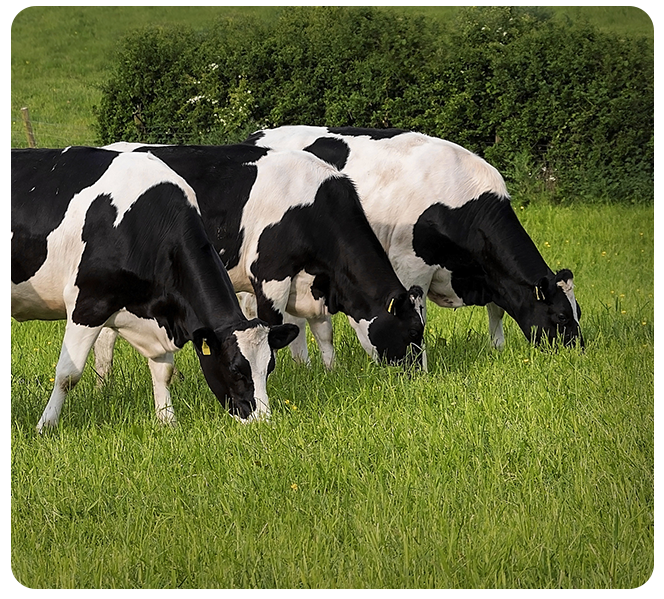
The impacts of grassland weeds on forage quality and milk production are far-reaching and complex. From reduced nutritional value and palatability to decreased yields and potential milk quality issues, weeds pose significant challenges to dairy farmers. These effects translate into tangible economic losses and long-term management hurdles.
Effective weed management is not just about maintaining aesthetically pleasing pastures; it's a critical component of sustainable and profitable dairy farming. By implementing comprehensive weed control strategies, farmers can protect forage quality, optimise milk production, and ensure the long-term health and productivity of their grasslands.
As the dairy industry continues to face economic pressures and environmental challenges, the importance of maintaining weed-free, high-quality pastures cannot be overstated. Investing in proactive weed management is an investment in the future of dairy farming, supporting both agricultural productivity and environmental stewardship.